

Bi Fold Door Repair - How to Fix Leaning Doors Without Removing the Hinges
Bi fold doors are a fashionable way to expand your home and connect indoor and outdoor spaces. Like all doors, they should be maintained properly to work correctly.
It is possible to do this by cleaning and lubricating your mechanisms, including your lock, to ensure that they function smoothly. This will prevent problems that can cause them to fall or become misaligned.
Fix a leaning door
If your door is leaning it can cause gaps between the frame and door that allow drafts to get in or block the latch plate from lining up with the strike rail. In many instances, a door that is leaning can be fixed without taking off the hinges. These quick and easy steps can save time effort, and even money.
Start by tightening the hinge screws, using a screwdriver instead of drilling. Don't overtighten them, because it could cause damage to the holes. Next tighten the screws that hold the top hinge to the jamb and door. The length of these screws may assist, too.
Sometimes, older hinges can lose their grip and become loose. A gentle tapping of the three knuckles of the hinge with an hammer and buffered with scrap wood, could occasionally loosen them enough to allow you to remove the hinge pins and slide them off. This will free the hinge that is stuck, but not the door's sagging.
You can make use of a hinge shim in order to extend the door from the jamb. These are available at hardware stores however, you can also create them yourself. You can make a shim by tracing the outline of the door hinge onto a piece of cardboard before cutting it out. Test a variety of shims to determine how far you need to extend the hinge from the barrel. Then, you can place the shim into the hinge mortise of the door jamb.
If this doesn't solve the sagging, you might need to adjust the sill and hinge jamb, as well as the frame of the door. If the hinge jamb has become bent and isn't square with the wall you can cut the return using the blade of a razor. You can also use a level to check the vertical alignment of the frame and wallboard.
If you do have an out-of-square or bent frame It is recommended to seek out a professional. It is not unusual for older frames and doors to settle with the house. This is a problem that you cannot solve by yourself.
Fix a door that is stuck
Doors are an essential element of every office and home and office, separating indoors from outdoor and opening closets to store clothing and other items. They are used daily and have to be opened and closed without being dragged or jammed. If your door becomes stuck, it can cause significant disruptions to your everyday life and even lead to long-term damage if you don't act quickly. A door that is stuck can be fixed with a few simple instructions.
Begin by identifying the region of the door that is getting stuck against the frame. To do this, you need to run an article of paper across the edge of the door and determine the place where it becomes stuck. This is the area that requires to be planed.
After you've identified the problematic area, carefully mark the area with a pencil or any other permanent marker. This will help you avoid removing excessive wood with your plane, which could make the door too thick and cause it to stick to the floor.
Screwdrivers are used to tighten the screws that attach the hinge plate to the doorjamb. The tightening of these screws will stop the sagging that could cause the door to get stuck, and will ensure an easier operation. Turn the screws slowly to ensure that they don't strip them.
If the hinges themselves are causing the door to stick, you can spray them with a multi-purpose household oil. This will grease the hinges, allowing them to operate more smoothly.
Another common reason for a door to stick is the weather and humidity. Moisture in the air can cause the wood to expand and create a gap between the frame and the door. This problem can be prevented by reducing the humidity of the air, using humidifiers and an AC during the winter.
If none of these fixes are successful, the door may simply be too large for the frame. In pop over here 'll need to use a planer to cut off the edges of the door that rub. This will require you to remove the door, but it can be accomplished fairly easily using the right tools and a little patience.
How to fix a leaky Window
If your door is soaking in water, it's likely because there are gaps and cracks in the frame that allow rain to seep through. This is a frequent issue due to the fact that doors are exposed the elements on a regular basis and can eventually become damaged. Luckily, there are some easy steps you can take to prevent this from happening in the future.
The first step is to thoroughly examine the door frame. Examine for any indications of cracking, rot, or warping. If there are any issues that need to be addressed, they should be addressed before they get worse.
Another important step is to look at the sill. The door sill is designed to form an obstacle that keeps water out, but it may be leaking if it's not put in place or caulked properly. Also, if the floor isn't sloped properly away from the door, this could also lead to water intrusion.
If you see light coming in from the edges of the door frame, it could indicate that there is a leak or gap. In the meantime, you can seal the hole with caulking and a rag while you wait for more permanent solutions.
Leaking doors can be a major issue, and it's essential to take care of them immediately to avoid expensive damage. To prevent leaks, it's important to use high-quality exterior caulking and weather stripping, and to regularly check and maintain these materials. Add protective elements such as awnings that are placed over the door and ensure that the ground slopes towards the door to keep it dry.
A professional can also help you determine if you have any issues that need to addressed. They can provide expert guidance on how to safeguard your door and ensure it is working properly. This will help you save money on your utility bills and prolong the lifespan of your door, and increase the comfort of your home while reducing its environmental impact. A professional can also discover ways to cut down on your energy bills even further by enhancing the way your home is cooled or heated.
Fix a Cracked Door
It's unattractive to have cracks on your door, particularly in the case where the door's surface is facing the entrance of your home. However cracks aren't necessarily a permanent problem. In time the natural expansion and contraction caused by humidity changes can cause cracks in wood doors. If the cracks aren't too large, a wood filler or putty can be used to stop this circular movement. Wood splines and epoxy adhesive are the best options to repair cracks that are larger, according to the severity.
Begin by removing your deadbolt and metal catch/strikeplate and then apply wood glue to the damaged portion of the slab. Apply enough to reach deep into the cracks, and then use wood clamps to hold the door in place as the glue sets. After the glue is dry then sand the area using medium-grit sandpaper until it's flush with the rest of the door. Apply an application of paint or stain to cover the filler and provide the appearance of polished. We suggest using a paintbrush instead of a roller when painting to ensure a uniform finish.
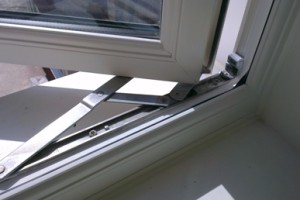
You can also glue an inch of plywood to the door to repair cracks. This will give you an easy-to-clean surface that can hide cracks for a long time. This method can be difficult to work with due to the difficulty to make the plywood fit tightly against the door's frame. You will need the right tools to do this.
The most durable and long-lasting solution for this issue is to replace the damaged portion of your door's frame. It's a lot easier than you think to do and doesn't require you to take the door off. This is a simple job that you can complete in just a few minutes and won't cost more than an excursion to the hardware store. If your frame is severely warped or damaged, it might require replacement and it's recommended to hire an experienced professional for the task.